Dubai is one of the most attractive global hubs for car buyers. Its reputation for luxury vehicles, competitive pricing, and high-quality maintenance standards makes it a go-to destination for car enthusiasts, dealers, and new car exporters in Dubai around the world. However, before you decide to import cars from Dubai, it’s essential to conduct a thorough pre-purchase check to ensure you’re making a smart and secure investment.
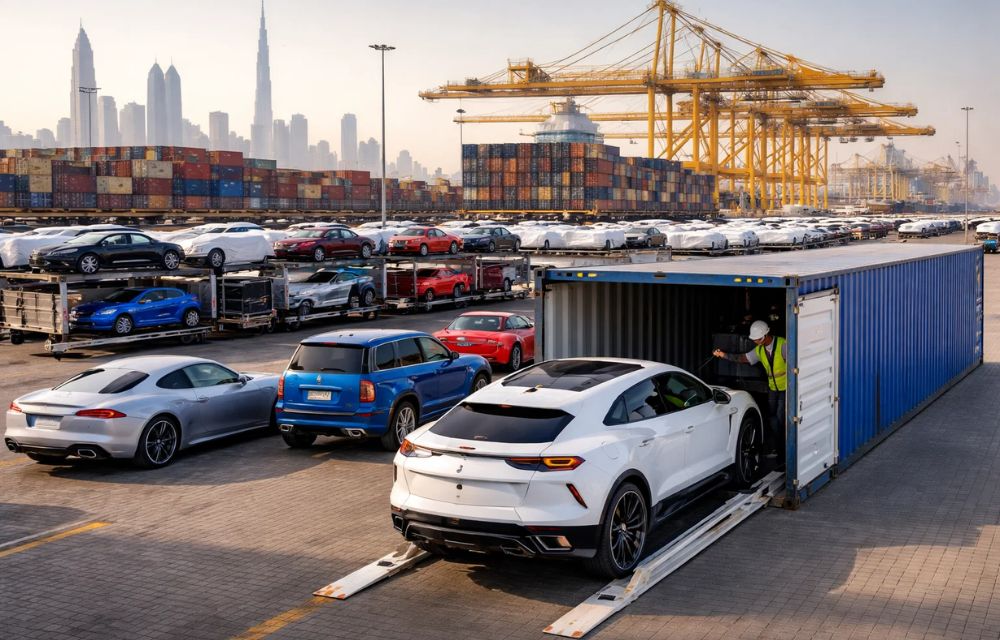
Below is a comprehensive checklist to help you navigate the process.
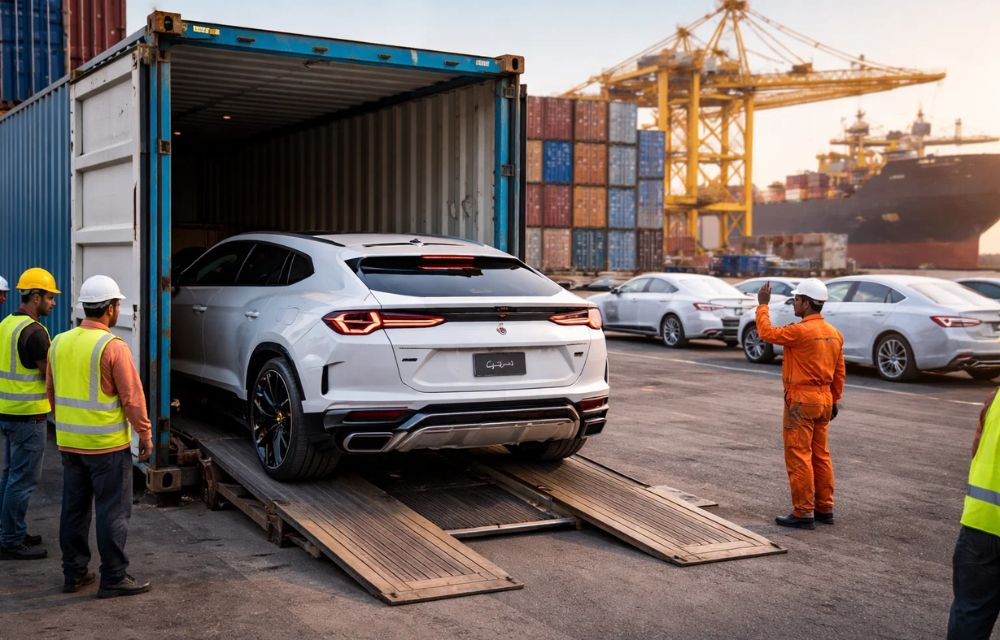
Vehicle History Report
One of the first and most important things to check is the vehicle’s history. Request a full report that includes:
- Ownership records – How many owners the vehicle has had.
- Accident history – Whether the vehicle was involved in any major collisions.
- Service logs – Details of scheduled maintenance and repairs.
- Odometer reading – Ensure the mileage is accurate and consistent.
Dubai has a transparent vehicle registration system, and reputable exporters can usually provide this documentation upon request.
Condition of the Vehicle
Visually inspecting the vehicle or hiring a third-party inspector is highly recommended, especially for used cars. Evaluate the following:
- Exterior – Check for scratches, dents, paint mismatch, or signs of previous damage.
- Interior – Look at the condition of seats, dashboard, and electronic systems.
- Engine – Inspect for leaks, rust, or unusual sounds.
- Tires and brakes – Check the wear and overall safety.
You can also ask for a mechanical inspection certificate, which some exporters provide before shipping.
Chassis and Engine Numbers
Always verify that the chassis number (VIN) and engine number match the documents provided. Any discrepancy could lead to complications during customs clearance in your home country. These identifiers should also match the export certificate issued by Dubai’s Road and Transport Authority (RTA).
Vehicle Age and Compliance with Import Laws
Every country has different regulations on the age of imported vehicles. For example:
- Some countries may only allow cars under 5 or 10 years old.
- Others might restrict certain engine sizes or fuel types.
Check whether the car you’re interested in complies with emission standards, safety regulations, and age limits in your country.
Availability of Spare Parts and Servicing
Before importing, consider whether your local area has access to spare parts for the make and model you’re buying. Some luxury or uncommon vehicles may require imported parts, making maintenance more expensive.
Also, make sure there are qualified service centers that can handle repairs and maintenance for the vehicle.
Authenticity of Exporter or Dealer
With many car dealers operating in Dubai, it’s vital to choose a reputable and licensed exporter. Do the following checks:
- Look for online reviews and testimonials.
- Verify their business license and showroom address.
- Ask for references from previous international customers.
- Avoid offers that seem “too good to be true.”
Working with a trustworthy dealer helps ensure smooth documentation, honest pricing, and reliable after-sales service.
Total Cost Calculation
While import cars from Dubai can be cost-effective, be aware of the total landed cost. This includes:
- Car price
- Shipping charges (sea/air freight)
- Customs duties and taxes
- Insurance during transit
- Registration fees in your country
Ask the exporter for a full quotation and confirm all extra charges to avoid budget surprises.
Shipping Method and Delivery Time
Understand the shipping method being used:
- Ro-Ro (Roll-on/Roll-off) – Cost-effective but less secure.
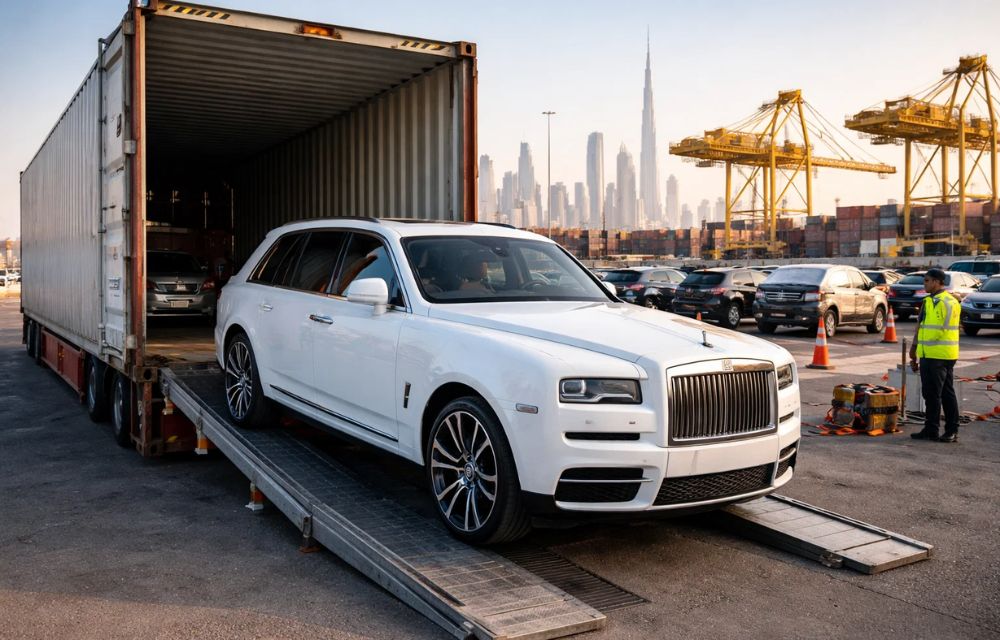
- Container shipping – More secure and preferred for high-value vehicles.
Also, ask about the estimated delivery time, tracking options, and insurance coverage for the vehicle during transit.
Suggested Read – How Do You Register an Imported Car in Your Country?
Export Documentation
Ensure you receive all the necessary paperwork before the vehicle is shipped. This may include:
- Bill of Lading
- Export Certificate
- Commercial Invoice
- Vehicle Inspection Report
- Purchase Agreement
Missing or incorrect documents can delay or block the import process in your country.
Right-Hand vs Left-Hand Drive
Depending on your country’s driving rules, make sure the vehicle’s steering configuration is compatible. Dubai primarily offers left-hand drive vehicles, which may not be suitable for right-hand drive countries.
In Conclusion
Importing a car from Dubai can be a rewarding experience if done right. From checking vehicle history to understanding import regulations and total costs, every step plays a crucial role in ensuring a smooth transaction. Taking the time to verify each aspect will save you time, money, and stress down the road.
For a trustworthy and hassle-free experience in car export, Nubia Cars stands out as a reliable partner offering quality vehicles and expert service tailored to global buyers.







Related posts

Planning to Import a Car from Dubai? Here's How the Process Really Works in 2026
May 7, 2026
Dubai has earned a well-deserved reputation as one of the world’s premier automotive trading hubs. Every year, thousands...

Which Models Offer the Best Resale Value After Importing?
September 28, 2025
When you decide to import cars from Dubai, resale value is often at the top of your checklist—especially...
